
Education

Why are educators turning to Living Room Conversations?

  • Builds empathy and listening skills
  • Achieves critical thinking goals
  • Enables productive difficult conversations
  • Increases openness and understanding
  • Positively shifts campus culture and fosters community

What are students getting out of it?​

  • Finding surprising common ground
  • Creating a comfortable space to share
  • Feeling empowered to speak up and engage in difficult conversations
  • Preparing for human-centered leadership

How can you foster an environment that champions both free inquiry and a deep sense of belonging?

Curriculum

"I scrapped my entire Composition 1010 curriculum and rebuilt it around Living Room Conversations."

– Cara Rodriguez
English Composition Professor at Casper College

Living Room Conversation’s magic lies in the structure. Imagine leveraging that same container of safety and respect to energize your curriculum. The Conversation Agreements instantly establish your classroom norms for a given period, while the timed, structured rounds ensure that every student, not just the most outspoken ones, has an equitable voice.

This isn’t just an add-on; it’s a dynamic tool for deepening content knowledge.  The guides do the heavy lifting for you, scaffolding complex topics from personal stories to broader ideas, allowing you to step into the role of facilitator and watch your students make meaningful connections between your subject matter and their own lives.

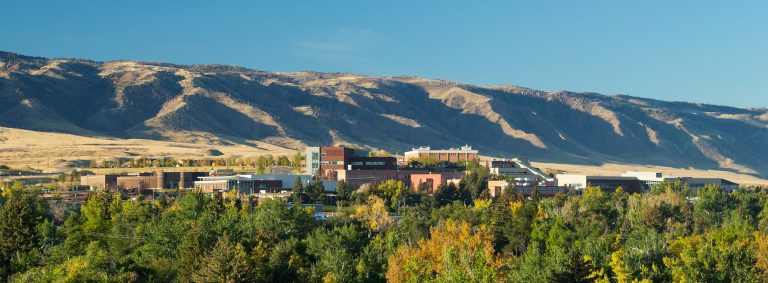
Casper College, Casper WY
Read On

Campus Wide Programming

“I enjoyed being in a setting where people are encouraged to listen to others first without rebutting them. I usually don’t talk about these topics due to being anxious about negative responses. I think that every BYU student should participate in such a discussion before they graduate.”

– BYU Student Participant

Scale impact beyond individual classrooms to foster a more connected and resilient campus culture. Our structured format provides a turnkey solution for your student life initiatives, transforming challenging campus dialogues into opportunities for growth and belonging.

Our guides do the heavy lifting, empowering your student leaders and professional staff to facilitate with confidence. By integrating this model into your co-curricular framework, you can proactively shape your campus climate, equip students with vital skills for democratic engagement, and cultivate the deep sense of community that is essential for student success.

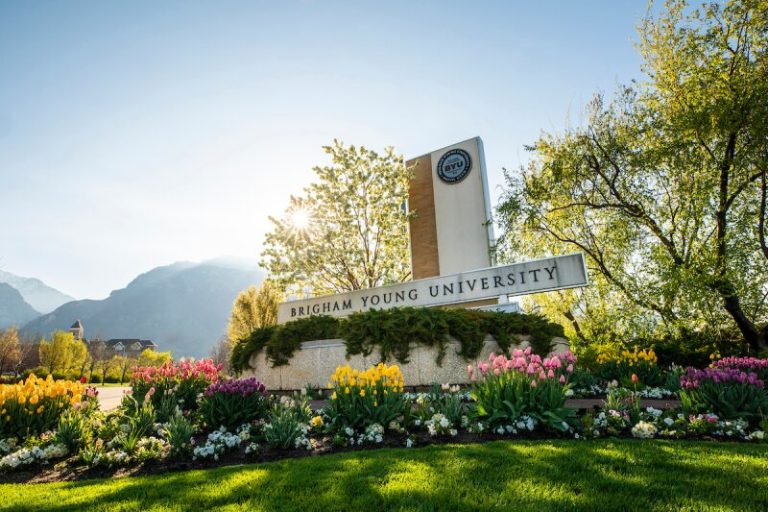
Brigham Young University Campus Conversations Project
Read On

Professional Development

“If your business is people development—developing proficiency in things like active listening, empathy, critical thinking, and intercultural communication, then LRC is a replicable and reliable model.”

– Kim Allen
Executive Director, Educational Initiatives UNC Chapel Hill

In any school or organization, candid communication is essential, but it’s often hindered by hierarchy, departmental silos, or a simple fear of vulnerability.

This is a powerful tool for authentic cultural development. Consider the applications:

  • Addressing Burnout: Instead of a top-down wellness presentation, a principal could facilitate the “Mental Helath for Educators” conversation, allowing teachers to share their experiences and co-create practical strategies for mutual support.

  • Navigating Change: A district leader could use the “Trust” guide to help a leadership team navigate a new strategic plan, building the alignment and buy-in necessary for successful implementation.

  • Building Cohesion: An academic department chair might use the “Unity” guide during a faculty meeting to break down intellectual silos and spark cross-disciplinary collaboration in a structured, non-judgmental way.

Our guides provide the scaffold for these vital conversations, allowing you to move beyond superficial team-building and cultivate the deep trust, empathy, and communication skills that are the foundation of any healthy and high-performing professional community.

Resident Life

Our guides empower your RAs to move from being event planners to true community builders. By integrating this model, you are not just hosting another program; you are systematically developing more resilient, communicative, and connected residential communities that directly contribute to student well-being and retention.

  • First-Year Experience: During the critical first six weeks, have your RAs facilitate the “Belonging” conversation on their floors. This proactive approach tackles homesickness and social anxiety head-on, helping residents build meaningful connections from day one.

  • Conflict Prevention: Go beyond reactive conflict mediation. Use the structure of a conversation to host a “Roommate Harmony” or “Living in Community” night, proactively building the communication and empathy skills residents need to navigate shared living spaces successfully.

  • Inclusive Communities: When campus-wide events or national issues create tension, use guides like “Race & Ethnicity” or “Increasing Harmony and Prosperity” to create a container for residents to express their concerns and more forward together.

Today’s educational landscape is complex. Students and educators are navigating challenging conversations about politics, school safety, identity, and social change, often in a climate of increasing polarization. How can you foster an environment that champions both free inquiry and a deep sense of belonging?

Living Room Conversations provides a simple, structured, and powerful framework to transform dialogue in your educational community.

Our method teaches the skills of civil discourse, helping students and faculty listen, learn, and connect across differences.

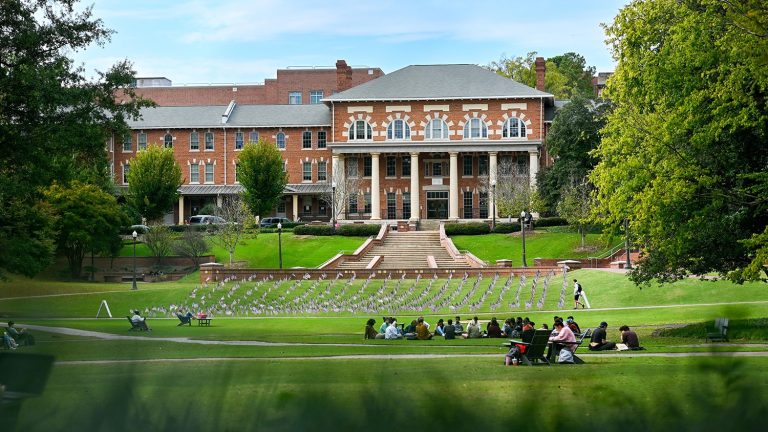
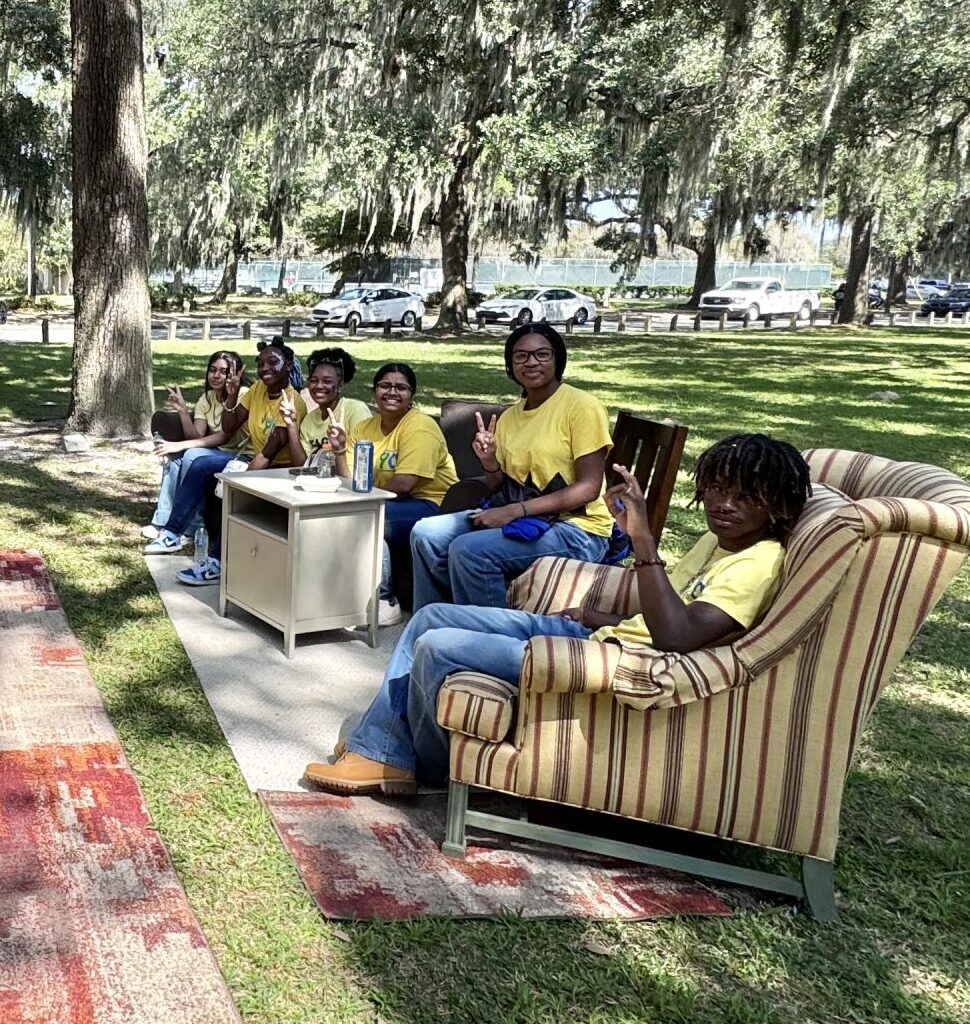
Tired of classrooms where debates turn into shouting matches and nobody actually listens? Imagine a different scene: at a Wyoming college, a professor uses a simple conversation framework that has students leaning in to genuinely hear each other out on hot topics like race and culture. At BYU and North Carolina State, entire campus projects are built around this idea, creating spaces where the goal isn’t to win an argument, but, as one student put it, to simply “listen to what others have to say.” It’s a small shift with huge results, turning classrooms into communities where students discover surprising connections and learn that even the most difficult topics can be explored with respect and curiosity.

North Carolina State University
Read On
Casper College, Casper WY
Read On
Brigham Young University Campus Conversations Project
Read On

FAQ

How long does a conversation take?

Most conversations are designed to last between 60 and 90 minutes, a perfect fit for a class session.

Our process is specifically designed to work in difficult situations. The conversation rules and structured questions help lower the tension and allow people to talk calmly and respectfully.

Not at all! We have many guides on fun, lighthearted topics that are perfect for helping a new team get to know each other or just for building positive relationships.