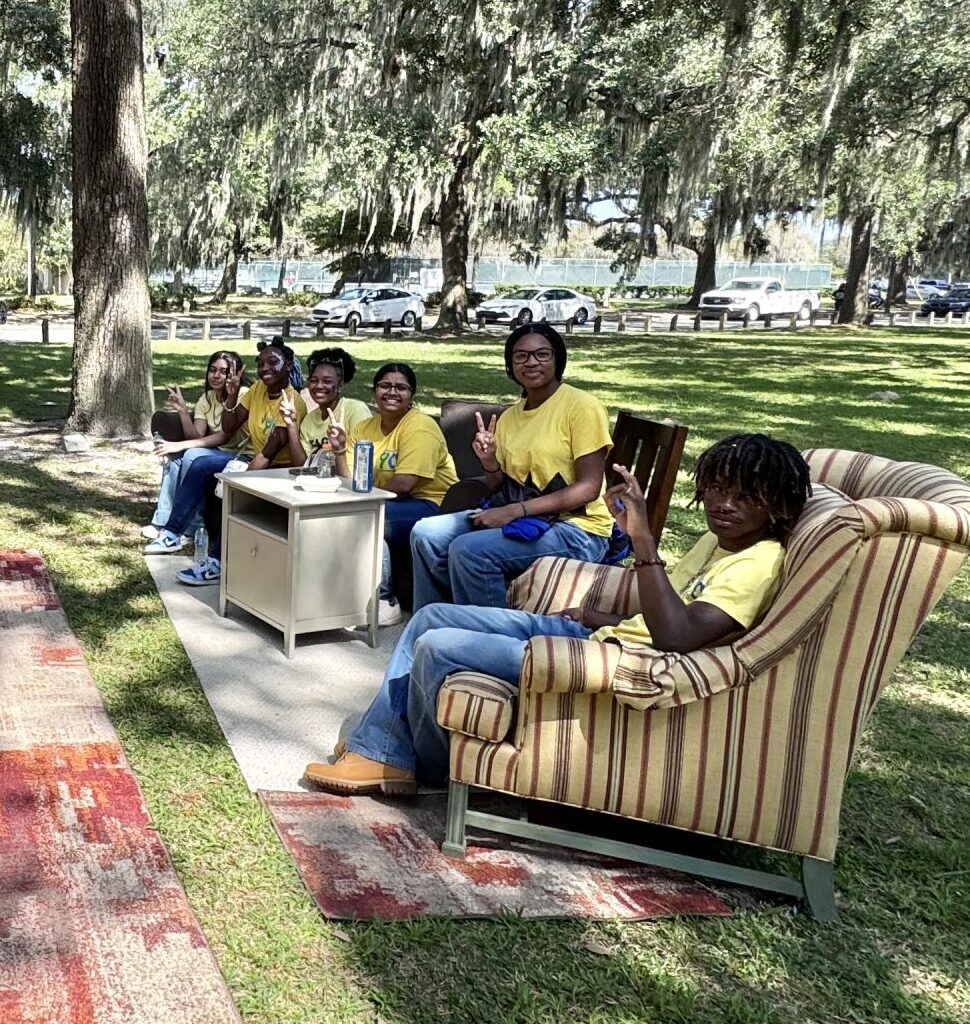
As soon as we are born, we begin aging. At times in our lives, we automatically seem to be more valuable to society. As we grow older, especially after retirement age, our value to society seems to diminish. Some of our bodies and minds are still alert and ready for action, and some of our bodies and minds are not and death may be in the foreground. This conversation is an opportunity to explore our relationship to our aging and the relationship of our communities to our growing aging population. When you were growing up, how was getting older treated or talked about? How do you notice or consider aging now? How have you experienced ageism? What assumptions do others make about you? What assumptions do you make about others based on their age? What have you learned or appreciated by interacting with people from different generations than yours? How did it come about? When do you consciously or unconsciously seek out someone who is close to your age? When do you seek out those with different...
Our social nature is part of our humanity. People tend to like being with other people, and most of us need good connections with other people in order to be healthy and happy. The feeling of being alone can weigh heavily on an individual. And, for some people, solitude is tranquil, relaxing, and even spiritually rewarding. What is the right mix of solitude and connection for you?
What are your best experiences of being alone?
Are there times when being alone has been difficult for you? What made it difficult?
How have you deliberately practiced solitude? How do you balance solitude and connection?
Would you like to carve out more alone time or time with others? How might you do this?
What do you notice about times where you want to be with people and times you prefer to be alone? What is happening?
Belonging is a basic human need. Human beings are happier and healthier when they feel they belong and when that belonging lacks, it affects their self concept and ability to experience fulfillment. People experience belonging in families, clubs, neighborhoods, faith communities, interest groups, schools and so many more places. This guide invites you to explore where and how you feel a sense of belonging and what kind of impact that has.
Watch this conversation!
How do you define belonging and how do you experience it?
Where do you feel you belong and why?
Thinking of your own experiences, what fosters or inhibits a sense of belonging?
Where do you want to feel a greater sense of belonging, yet haven’t and why?
Which spaces do you make an effort to welcome others and create a sense of belonging?
When you think about belonging, what hopes do you have for your community or your country?

One form of Bias is allowing your personal opinion to influence your judgment causing you to support or oppose a person, idea, or thing in a way often considered to be unfair. People tend to be biased toward things that prove they are right. We lean towards making decisions based on feelings and will often collect information to confirm our existing beliefs, support or make us look good, and affirm our judgments and virtues. This conversation is designed to explore bias and the ways it can influence you and affect divides in our society. Where in your life do you see bias? How does that affect you? How might bias affect the way you view those who are different from you/have different beliefs than you/etc? Describe a time where you felt bias was a key component of a situation or decision. What was the impact? Do you see ways in which you are biased? What is the reason for those biases? Have you ever been called out for being biased? What was that like? How do you try to reduce your biases?...

Regardless of where we come from, what we believe, or which groups we belong to, every one of us holds a personal vision for a better future—for our families, our communities, and the world. Instead of debating the how, we can focus on the what and the core hopes and values that guide our lives. What does a healthy, thriving future look and feel like? What do we want most for rising generations? By sharing the experiences and values that inform our most hopeful aspirations, we can draw a collective picture of the world we could build together. Thinking about a future you would feel proud to leave to the next generation, what is one “quality of life” indicator you hope they get to experience? Why does that matter to you? What specific skill or ability do you believe people will need to prioritize in the future to live and work well together? Where did you learn the importance of that skill? What does a healthy, thriving future look and feel like? If you could make one change in your community...
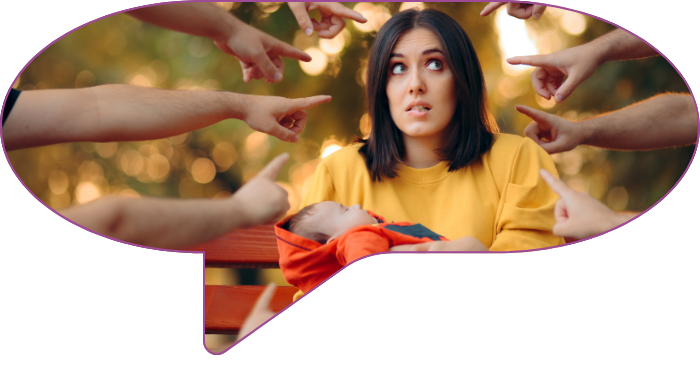
We hear stories about people who are self-censoring because they fear their viewpoints are unwelcome and they fear being “called out” — as racist, as leftist, as sexist, ableist, RINO (Republican in Name Only), woke, snowflake, hypocrite, disloyal, soft…. Is there a way to draw attention to concerns in a way that isn’t aggressive or shaming? The practice of calling in is a critical tool if we want to move to a place where we can hold and express foundational as well as evolving beliefs. This guide is designed to explore where these competing practices have popped up in our lives and better understand where, when, and why we feel compelled to call others out or call others in. Definitions for this conversation: Calling Out- Letting someone know their words or actions are problematic in a way that may feel aggressive, can be privately or publicly confrontive, and leans into shame Calling In- Letting someone know their words or actions are problematic in a way...

We may want to communicate with others in such a way that we gain knowledge and bridge divides, but those conversations don’t always come naturally. Most of us struggle to self-evaluate our communication skills and we might be unaware of words and actions that shut down healthy dialogue when discussing divisive issues. In this conversation we will actively share and explore what works and what doesn’t, and we will reflect on ways that we can improve our interactions with others.
What concerns, if any, do you have about engaging in–what are typically considered–difficult conversations (i.e. race, politics, religion, etc.)?
In your experience, what words or actions have you or others used that:
made you feel heard and/or bridged a divide?
made you feel dismissed and/or shut down communication?
How much grace (or courteous goodwill) are you willing to extend in communicating with others?
The idea of conservatism evokes a spectrum of ideas, values and political positions. This conversation is designed to take a closer look at one point along this spectrum– “communitarianism”. This strain of conservativism involves prioritizing our local geographic identities while “conserving” our civic institutions (from the workplace to religious organizations) and what might be called “community commons” that anchor community life (parks, community centers, libraries and other common resources). The focus on community and localized public support stands in contrast to the individualism people may more readily associate with conservatism. Communitarianism suggests an antidote to the rising levels of loneliness and alienation while its emphasis on community and civic life resonates across political divides. Watch this conversation! What do you love about the area/community in which you live? To what extent does your community contribute to your identity or sense of self?...
Disruption, tragedy and conflict are part of our human story. Whether in our own backyard or internationally, deep histories of trauma and loss can make it difficult to speak about current events. For some people the hurt or anger or frustration or fear are simply too present for conversation on the topic to be helpful or even possible. When a beloved person dies, sometimes all we can do is express sympathy. Talk may come later. How can we balance the need for immediate action with the ability to check in, listen, and support each other. How do you honor a complex history or context as well as personal connections to troubling events? In preparation for this conversation, take a moment to reflect on the following questions and share your thoughts with the group: Are there things that are too painful for you to talk about right now? Can we agree to leave these topics out of this particular conversation? How did you make the decision to have this conversation? Is there something you want...
We all share a common inheritance– living will end with death. Yet, cultures around the world vary widely in their relationship, traditions, and approaches to death and dying. Death can be taboo, a denial, an acceptance, a release, a celebration, or a battle. Without discussions or instructions, about death and dying? Movies and media often shape our feelings around death with video games, misinformation, and fear. This conversation is about exploring how our personal experiences with death might support our acceptance or denial of death. Were conversations around death a part of your upbringing? Do you crave being able to talk about death or do you avoid it? Why? What experiences have you had with major loss or death? How has that impacted your perception of life or shifted your priorities in life? What symbolism, thoughts, or feelings arise when you think of dying and death? What practice or philosophy helps guide your understanding of dying, death and post-death? How does our current...
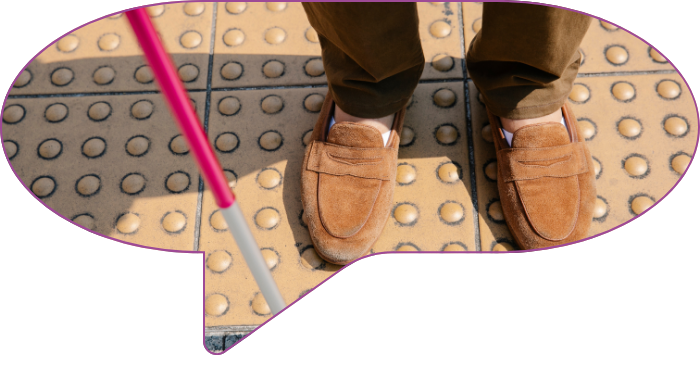
In the United States, one in four adults have some type of disability. Even though a quarter of the population is included, this issue can be difficult to talk about. There are a number of factors that may lead people to avoid this conversation: uncertainty around proper terminology, feeling like you don’t know enough about it, or feeling fatigued by having to explain what living with a disability is like. Society has a responsibility to acknowledge and care for all its members. This conversation is a step in that direction, an opportunity to explore topics associated with ableism and disability, and share how our life experiences inform our understanding of this subject. This guide is included in the American Library Associations’s LTC: Accessible Small & Rural Libraries Initiative! If you are having this conversation at a library or other institution, how could this library/institution become more accessible to you or others within your community? When you were growing up, how...
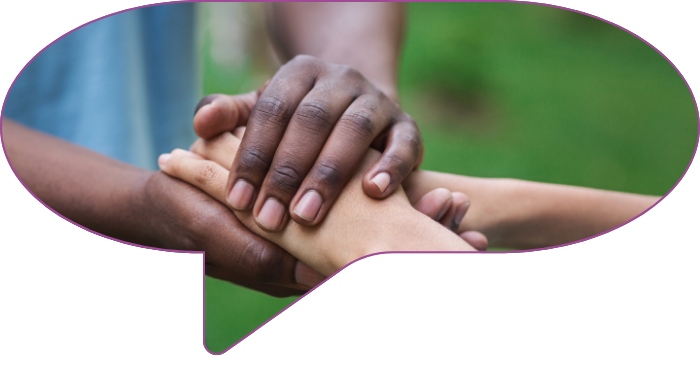
Empathy goes beyond concern or sympathy. Empathy is stepping into the shoes of another with the intention to better understand and feel what they are experiencing. It is expressed in our choice to be fully present with someone and listen beyond their words for their feelings and unmet needs. Knowing that at least one other person “gets what I’m going through” is the gift of empathy. The power of empathy can bridge our “us vs. them” perceptions and lead to new solutions, improved relationships, better strategies for social change, reduction in loneliness, and realization of our shared human needs and oneness. This conversation is about sharing experiences giving, receiving, and observing empathy. How do you feel when someone else truly understands what you are going through? How have you been able to tell that someone understands what you have experienced or felt? What helps you understand what someone else is experiencing or feeling? What gets in your way? How do you stay fully present...
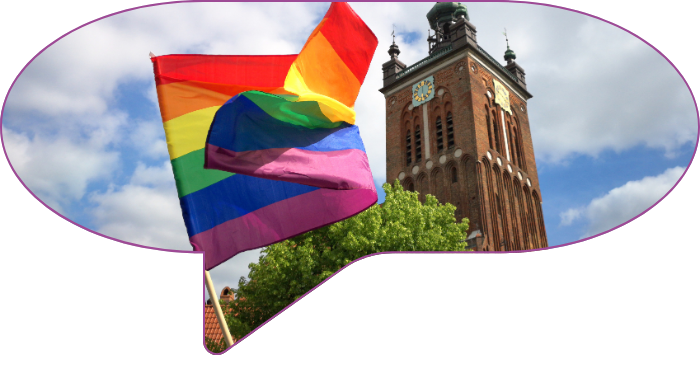
Views and conversations around homosexuality and gender identity have always been charged and particularly challenging within faith communities. At our best, we are able to see each other as fellow members of the family of God. At our worst, we perceive in each other a threat to our identity, core beliefs, and values. Conversations are often plagued by fear, tension, and disagreement in our views about how God would have us steward our sexuality and gender identity. This is not a casual conversation, there is a lot on the line- LGBTQ+ (lesbian, gay, bisexual, transgender, and queer) folks make up one of the highest at-risk populations in our communities. Individual faith and the core values and beliefs that form a foundation for that faith are critical for faith communities. How can we engage in better conversations in order to hold space for different lived experiences, care for, and better understand each other? Thinking of the Conversation Agreements, how will you listen and be curious?...
In our current environment of miscommunication, misunderstanding and mistrust, what can we learn from the Rotary International principles and approach to fellowship and friendship leading to service above self? How can The Four-Way Test be a useful guide to better communication, understanding and trust with both strangers and friends? The Four-Way Test asks us to consider the following four questions about what we think, say or do: 1. Will it build goodwill and better friendships; 2. Will it be beneficial to all concerned; 3. Is it fair to all concerned; and 4. Is it the truth? We prefer to do business with people we like. What would it be like to approach people as friends when we are addressing challenges and solving conflicts? When are you most comfortable in sharing your thoughts? In what venues or groups is this most likely to happen? When do you find it difficult? What circumstances encourage you to strive for mutually beneficial actions rather than “zero-sum” outcomes? What happens...
Gender shapes our experiences, identities, and interactions in profound ways. It influences how we see ourselves and how society perceives us, often intersecting with other aspects of identity. In recent years, conversations about gender have become increasingly nuanced, reflecting a growing awareness of its complexities and the need for greater inclusion. In this conversation we will explore biological sex, gender identity, and gender expression to better understand how these concepts impact your life and the lives of others. We will use the following definitions: Biological Sex-refers to the biological anatomy of an individual’s reproductive system, and secondary sex characteristics (male, female, intersex, etc.) Gender Identity-an individual’s concept/identity of oneself (man, woman, trans, gender non-conforming, etc.) Gender Expression- how individuals present themselves (masculine, feminine, androgynous, etc.) What roles have you learned about gender from parents, school,...
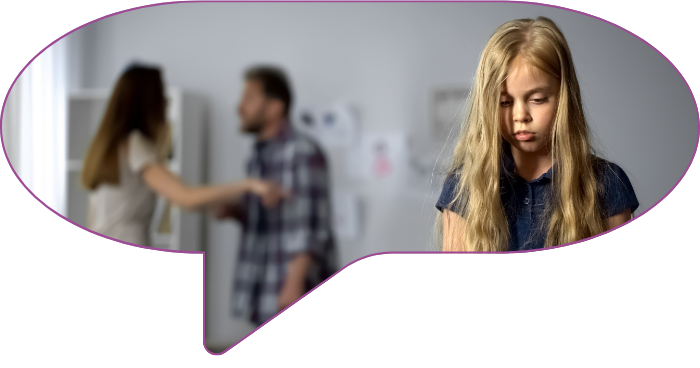
The intersection of gender and power shapes nearly every aspect of our lives — from personal relationships to professional opportunities, from cultural norms to institutional structures. Our society is now watching women with a public platform give voice to the ways in which nearly all women experience some degree of sexual violence over the course of their lives. And men are learning about the impact of their behavior on the women in their lives. This conversation creates a space to explore our varied experiences with gender and power, examine how these dynamics affect our lives and relationships, and consider how we might work together to create more equitable and harmonious ways of relating to each other. When have you witnessed or experienced power dynamics related to gender? How does our culture and society treat boys and men differently from girls and women? How do power dynamics rooted in gender play out in your relationships including dating? At home? Work? How does this affect...
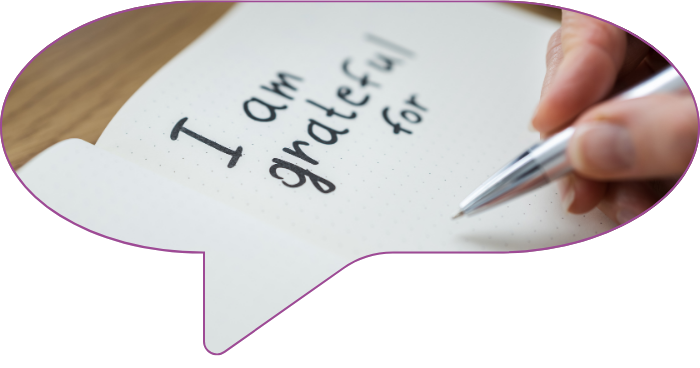
If you were offered a simple way to improve your mental health, tap into happiness, and better your relationships, would you do it? Gratitude is a simple concept inviting people to notice and appreciate the world around them, from sunsets to a child laughing, to a kind gesture. While simple in nature, gratitude relies on our attention and intention as we go through our lives– lives full of tasks, emergencies, responsibilities, and other worthy causes that demand our attention. In his film, Gratitude Revealed, Louie Schwartzberg celebrates beauty and wonder in its infinite forms, “Gratitude is the umbrella that includes feeling connected to something larger than yourself, to having the courage to open your heart and feel compassion…” Savoring a moment and gratitude for each day can make lives happier and more fulfilled. How do you approach gratitude? What impact has it had on your life? Describe a good day. What moves you to feel gratitude? What, if anything, gets in the way...

‘Tis the season where people start to put up lights and decorate their homes, where shopping centers sell seasonal adornments and ornaments, and we can smell the aroma of warm spices and baked pies fill up in the air. Holiday traditions are meant to bring people and families together, and what better way than to share what we love most about celebrating the holidays? Holiday traditions are unique from household to household, and every tradition has the space to be celebrated. So let’s get together and share just how we celebrate the holidays! What are your early memories of celebrating the holidays? What traditions do you associate with those holidays? What does connecting with family and friends over the holidays look like for you? What do you love about it, what would you change? How has this changed over the years for you? What experiences have you had sharing your traditions with others? When have others shared traditions with you? What was that like? Are there any new traditions you’d...
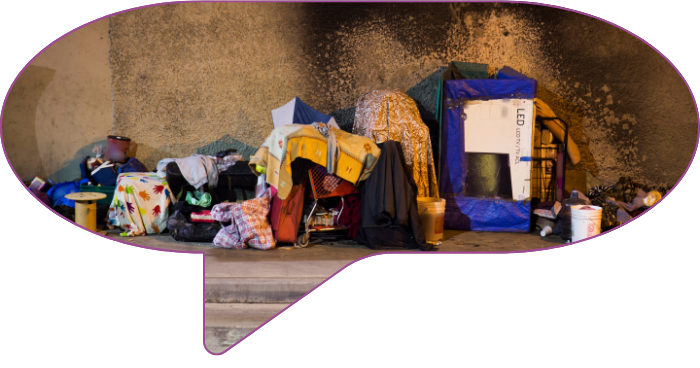
Lack of affordable housing and addiction support, changes in employment, unexpected medical emergencies, mental health, gender based violence, trauma, and stagnant wages all contribute to a growing homeless or unhoused population. Experts, direct service providers, and politicians try to find potential “solutions” with varying results. At times, solutions are rebuffed by the community with cries of “Not in our neighborhood” when shelters or affordable housing are proposed. What is our responsibility as members of a community to people of all ages without a stable place to live? This conversation is an invitation to go beyond stigma and stereotypes and consider the human lives affected by a lack of stable housing. What experience have you, or those close to you, had with housing insecurity? What were some contributing factors? What has been your personal response to unhoused individuals you’ve seen? What assumptions do you find yourself making about individuals experiencing...
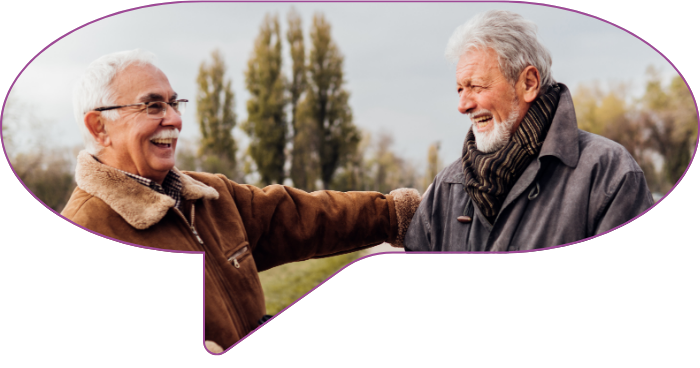
Humor is an ancient force for collective well-being – and in modern times often under-appreciated in its transformative power. Humor helps humans worldwide let go of stress in the moment, reframe the past and reconnect with each other and ourselves. Yet, humor can get stuck on the entertainment shelf, considered inappropriate or even unnecessary for serious times when we need it the most. If laughter is the best medicine, how do we put humor back in the medicine cabinet? Since people can use humor to help or hurt each other, how can we reliably use humor for good? How do we distinguish positive versus negative humor? This conversation is an invitation to explore humor as a tool for deepening connection. What role did humor play in your family growing up? Did it create or release stress? Do you use humor now the way your family did then? When have you laughed with someone and when have you laughed at someone – or when has someone else laughed with or at you? What have you seen...

Food and health are deeply interconnected, shaping the well-being of individuals, families, and communities worldwide. In the United States alone, millions of people experience food insecurity, which disproportionately impacts vulnerable populations such as children, seniors, and marginalized communities. Access to nutritious food is not only a matter of survival but also a cornerstone of physical and mental health, educational outcomes, and general well-being. Yet, hunger persists alongside widespread issues of obesity and diet-related illnesses. How can we work together to ensure that everyone has access to the nourishment they need to thrive? How did you learn about nutrition? How has your understanding around nutrition and the way you approach it changed over the years? How do you define healthy food? Unhealthy food? How do you make food choices for you and your family? How has hunger, food insecurity, or access to food shaped your life or the lives of people you know? Are food assistance...

Immigration is one of the most complex and deeply personal issues of our time, intertwining questions of identity, opportunity, and belonging. For many, immigration represents hope—a chance to build a better life, contribute to society, and escape hardship. For others, it raises concerns about economic stability, cultural preservation, and national security. These differing perspectives often stem from deeply rooted personal experiences, historical contexts, and societal narratives. This conversation provides an opportunity to move beyond political debates and media headlines, creating space for thoughtful dialogue about the impact of immigration on our lives and communities. What is at the heart of the immigration issue for you? What experiences inform your beliefs and understanding about immigration? What reasons might someone have for immigrating to a new country? What conditions might prompt you to immigrate? What about refugees? How welcoming should America be of people fleeing hardship...
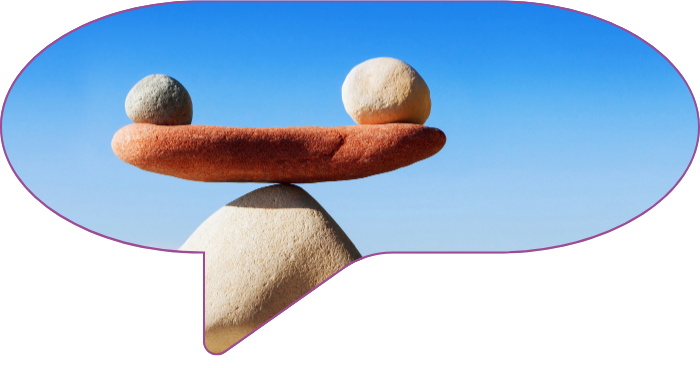
We are in constant relationship with each other in all aspects of our lives. In this conversation we explore the elements that enrich our lives and look for ways to increase our joy. What are the key characteristics of healthy relationships in your life related to personal, social, workplace and political interactions? Our hunch is that we may find common threads between all these areas – common threads that are healthy as well as unhealthy.
How do your relationships compare between your family, work and civic life?
What are key characteristics of your healthiest relationships?
How do you make your connections with other people strong?
What weakens or diminishes our connections with each other?
What factors into your decision to trust or not trust others?
How do you hold personal and communal accountability within your personal and working relationships?
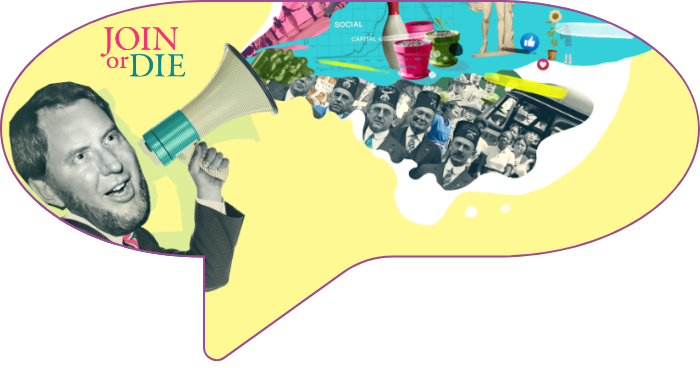
Participation in local clubs, teams, faith communities, and civic life has steadily declined in recent decades. These are places people build ties with diverse people in their community. Robert Putnam’s research has revealed that communities with more social connections have social capital that leads to greater trust and more successful civic and social outcomes. For individuals, people in one or more clubs are half as likely to die in a given year. Why then is our participation in clubs and other social organizations in decline? Might it be long work days or people spending far more time on solitary pursuits? TV, video games, and social media – screen time – take up 7 hours a day for the average American. Let’s get social and talk about our experiences! How connected do you feel to people in your community? Where do you connect? What barriers exist in your life that prevent you from participating in clubs and other gatherings that would bring you together with people you don’t...
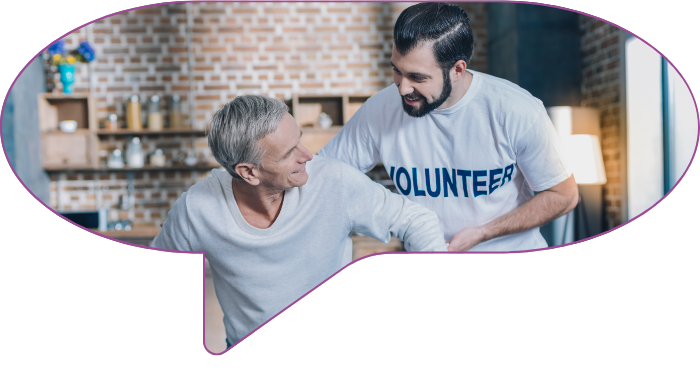
Where do you see people struggle to implement kindness? What gets in your own way of extending kindness?
Kindness is simple, powerful, and contagious. It pushes us past niceties toward a sense of belonging and has the potential to heal and strengthen our communities in all their diversity and needs. There are kindness initiatives around the world– celebrations and invitations to notice those around you and extend kindness through words, random acts, or respect. It truly is such an important concept that people are willing to dedicate their lives to continuing kindness and creating it. This conversation will explore your experiences giving and receiving kindness and discuss together what your home, community, or society could become if kindness was abundant.
Over the years, we have seen increasing attention and understanding toward the LGBTQ+ community. For many, this is cause for celebration while others may regard it with confusion or concern. Gender and sexuality exist on a spectrum, which can make it hard to define. Specific terminology and shifts in language used can create a barrier to people engaging in conversations around this topic. This conversation is designed to explore your understanding and interactions with the LGBTQ+ community. Useful definitions: LGBTQIA+: Acronym for lesbian, gay, bisexual, transgender, queer, intersex, and asexual. The Q generally stands for queer when LGBTQ organizations, leaders, and media use the acronym. In settings offering support for youth, it can also stand for questioning. LGBT and LGBTQ+ are also used, with the + added in recognition of all non-straight, non-cisgender identities. Sexual Orientation: A person’s physical, romantic and/ or emotional attraction to another person. Sexual orientations...
Being part of the LGBTQIA+ community means many different things to many different people. It can be a blessing to be a part of this community, and also challenging at times to live in a society that is still coming to understand and accept folx of different sexual orientations and gender identities. Many feelings can come up in this conversation- LGBTQIA+ (lesbian, gay, bisexual, transgender, queer, intersex, and asexual) folx make up one of the highest at-risk populations in our communities. As we come together in conversations where we bring our sexual and gender identities, it can be helpful to hold space to reflect on what we have experienced, to verbalize the thoughts we may not always feel comfortable expressing, and to share our concerns and hopes for the LGBTQIA+ community. Listen to our podcast featuring real people using this guide! Where has your understanding of the LGBTQIA+ community come from? How has it shifted over time for you? How certain do you feel about what to believe...
Listening is a foundational skill for building understanding and connection. But what does it mean to truly listen to someone? What does it feel like to be truly heard? Listening exists on a spectrum. We may listen to correct or respond, listen for meaning or feeling, or listen to help the speaker to feel heard and understood. This conversation is an opportunity for us to explore the many ways we listen, what might get in our way, and how we may want to improve. Let’s reflect on our own listening habits and explore how to cultivate deeper listening. How would you rate yourself as a listener? How would your friends rate you? Your partner or family? When do you do well and when do you struggle to listen deeply? Can you think of a time you have experienced being fully listened to? What was going on? How did it feel? Do you have people in your life it’s difficult for you to listen to? What do you find yourself doing in those situations? Is there anything you wish you could change? A common...
Courage is the most important of all virtues, because without courage you cannot practice any of the other virtues consistently,” Dr. Maya Angelou said. When you think of being courageous, you might think of facing a common fear like the fear of heights or public speaking. Facing fears like these involves discomfort and uncertainty. We might wonder if the potential benefits will outweigh the potential risks. But why might it take courage to listen? How might listening to different points of view make us feel vulnerable or at risk? And what are the possible benefits? What does “courageous listening” mean for you? Describe any times you have listened, or been listened to in this way. What happened? What fears, if any, do you have about how you will feel or what you will say or do when listening to people whose beliefs or experiences differ from your own? How do you feel when there are silence and gaps in conversations? What are the potential benefits of giving a conversation breathing room?...
This is a six-part series.
Grief happens when people experience death or other significant losses. Decades ago, Elizabeth Kubler-Ross described five responses to grief: denial, anger, bargaining, depression, and acceptance. Everyone’s experience is different. We may not experience all of those responses. We may find our thoughts, feelings and moods changing on a regular basis as our experience and awareness of our loss shifts. Major changes on a personal or global scale may cause us to perceive losses in all areas of our lives. Viktor Frankl, psychiatrist and Holocaust survivor, tells us that having purpose helps us navigate during difficult times. Grief expert David Kessler suggests that our ultimate task is to find meaning and purpose even as we grieve what is lost. What is your experience?
Most people agree that we want to reduce the stigma around mental health issues so that individuals and families are more inclined to seek help. Many people look to traditional western medicine for the primary answers to mental health problems. There is growing interest in exploring a wider variety of ways to support people facing mental health challenges. The value of meditation, exercise and other practices show great promise as we learn more and more about the plasticity of our brains. What does it mean to ‘get better’ from a mental health problems, and is it even possible? Watch this conversation! What experiences in your life, your work or your family inform your understanding of mental health? What is the impact of mental health issues in your community? Have you seen changes in these issues over time? Does your religion or culture, or some other aspect of your identity or background, influence how you think about mental health? If so, how? How do you care for or consider your mental...
We do not exist in this life without our bodies, it is our one constant relationship. Because we are inseparable, our bodies have a real impact on and are impacted by our mental and emotional health. Our bodies are a key component of any recovery and healing. At the same time they can be the source of shame and trauma. A lot of our complex relationship with our bodies comes from the ideas we internalize ideas about what a body should be, do, and look like. These ideas come from a variety of sources including family, religion, history, and the unrealistic body ideals broadcast by the entertainment industry, advertising, and social media. A discussion around mental health is not complete without talking about the miracle of our physical bodies. This conversation will invite you to consider the messages, both negative and positive, you have internalized around bodies and the hopes you have for your relationship. What messages around bodies have had the most influence on you? Where did they...
For the past few generations, Americans have been told to worry about “Stranger Danger,” the idea that mean people are roaming the streets, the malls, and even the aisles of the grocery store ready to snatch, hurt, and traffic children. The crime rate has plummeted since the early ‘90s, but fear for the safety of children has not. Instead, we have seen ever-increasing supervision of our children. Adult supervision has become so expected that parents can find themselves torn between upholding new social norms regarding supervision or feeling like they are unfit or negligent parents because they favor giving their children more freedom. Where do we draw the line between protecting our children and supporting their independence? At what age were you allowed to walk or play outside without an adult? How have you seen adult supervision become more intensive than it used to be? Where have you seen this play out in your own life? When have you felt safe giving your kids unsupervised time? What...
The US has, in many ways, always been a divided society. But what is causing fierce political, social and ethnic divides in the United States today? Hate crimes and hate groups are increasingly visible, and political leaders are using ethnic identity, socio-economic identity, and an “us v. them” mentality, to create fear and increase polarization. This increase in tribalism and ethnic protection (including Republican vs. Democrat as core identities), reflect core grievances at the heart of what drives violent conflict in many countries all over the world. How did we get here and what are the peacebuilding solutions for a country that has long been considered the world’s most stable democracy? How do “us and them” divisions impact you? Who is “us” and who is “them”? How do you maintain friendships with those in “other” groups? What should we expect from our leaders in terms of healing divisions? What can we do ourselves to heal these divisions? What are the areas of strength that allow the...
Every day we are both being persuaded and attempting to persuade– from what to have for dinner to how to vote, when to recycle, or where to worship. We see this play out in the public square as devotees clamor for awareness of a particular social issue, worry about loved ones, or participate in democracy. How do we differentiate between authentic and manipulative persuasion? When do we give up or write someone/something off? When do we stay engaged in persuasion even when it’s difficult? This conversation explores when persuasion is effective and when it isn’t, as well as what we think is worth the effort and why. This conversation is inspired in part by themes found in Anand Giriharadas’s book The Persuaders. How does it feel when friends or family try to persuade you to change your mind or take action on something? When does it feel authentic? When do you feel manipulated? When do you try to persuade people (or shift their understanding or beliefs)? Are you effective? Who are you trying...
Polarization has become a defining feature of our time, fracturing relationships, communities, and our nation. While disagreements and differing perspectives are natural in any society, today’s divisions often feel deeper and more entrenched than ever before. Political ideologies, cultural identities, and social issues seem to be pulling people into opposing sides, leaving little room for dialogue or understanding. The media, social networks, and our personal circles can reinforce these divides and create echo chambers that amplify hostility and reduce opportunities for common ground. This kind of polarization can halt progress on important policies– even those that have a majority of the country’s support. Despite these challenges, polarization also presents an opportunity: by engaging in meaningful conversations, we can begin to break down barriers, rebuild trust, and discover shared values. How have you experienced polarization in the last few years? What, if anything, has changed in...
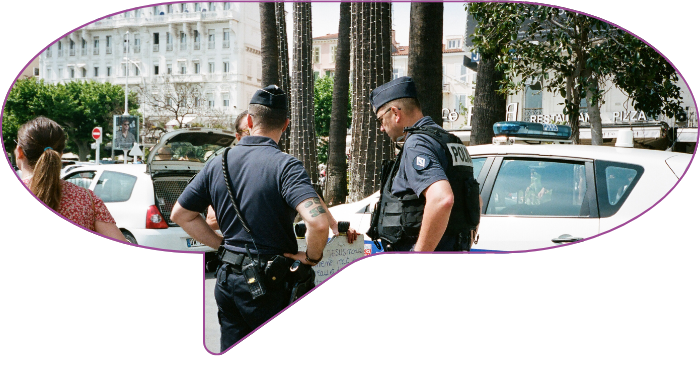
We all love our children and want our community to be safe. We have seen tragedy in our communities and want that to end. We all want law enforcement to be fair. And, we want police to be able to do their job in a manner that is safe for them and the community. Let’s start with this as a given. For some, police officers represent safety, protection, and community service. For others, they symbolize systemic injustice, fear, or violence. High-profile incidents of police misconduct, along with broader conversations about racial equity and justice, have amplified calls for reform and accountability. At the same time, officers face challenges ranging from limited resources to the emotional toll of their work. Police-community relations vary by region, history, and individual experiences. This conversation is an opportunity to explore the relationship between police and the communities they serve. Read about how a community used this conversation guide to come together! Where do you see police...
It can be tempting to dismiss the concerns and opinions of the people around us or to make assumptions about their motives, especially within the current political landscape. Many people have stopped talking about topics that might create discomfort due to disagreement, or even let go of connections with people they disagree with. All this can contribute to increased polarization, the reliance on information in echo chambers, and gridlock in legislative decision making. This conversation is designed to explore the assumptions and stereotypes we hold on to as well as those others might have about us. How are you navigating, being influenced by, or being impacted by current political stereotypes? Where do you see yourself in the political landscape? What underlying values or ethical beliefs have led you to your political beliefs? What assumptions have you made about others based on their politics or social media posts? What assumptions could others make about you? Where do you have concerns...
Peaceful communities depend on our ability to hold strong convictions while respecting those who see the world differently. Disagreement in itself is not a threat, but a necessary part of our society and our democracy. However, when disagreement turns into deep conflict or political violence, we all suffer. Political violence exists on a spectrum—from aggressive and demeaning language to intimidation and physical harm. Each point along that spectrum weakens the civic bonds we rely on. Even when it’s not extreme, political violence can erode trust and make us fearful or divided. So what can we do when political violence touches our communities or relationships? It can be tempting to disengage or oversimplify conflict to “us vs. them,” but maybe the real work is to build a stronger “we.” Each of us has some degree of influence. Together, we can create communities that promote healthy disagreement, lower the temperature of our deepest disagreements, and protect the differences that have always...

How can we better maintain and create relationships in spite of political differences? Many people report losing friendships over political differences, avoiding family gatherings due to political tension, or feeling unable to be fully authentic in their workplaces. Yet, we know that maintaining strong relationships across political differences is crucial for the health of our democracy and communities. When we lose connections with people who think differently, we lose opportunities for growth, understanding, and finding common ground. This conversation allows us to start exploring how we can disagree and still care about each other and how we can work together when we find agreement. Your voice and your opinion are what matter in the upcoming election. While many want something from you, want you to vote one way or another, our partner ActiVote only wants you to feel informed and confident about that vote. Despite partisan division, what core values do you think Americans fundamentally...
In this conversation, we explore how we talk about politics and our hopes for improving how we do that. We share stories about what has happened around our political conversations and consider the impact this has on our relationships with friends and family. This isn’t a conversation about issues, but rather a discovery of the ways our knowledge of others’ political views impact how we decide who to relate to and at what depth we feel comfortable talking. In this conversation, we explore the ways we talk about politics and our hopes for improving how to do that. We will share stories about what political conversations have looked like in our lives and consider the impact this has on our relationships with friends and family. This isn’t a conversation about issues, but rather a discovery of the ways our knowledge of others’ political views impact how we decide who to relate to and at what depth we feel comfortable talking. What is your family of origin’s political identity? What do you remember...

Once all the campaigning and voting is over, we are left to process the results (and in recent elections their validity) and resulting transfer of power. While many believe we continue to grow even more divided, there has been a renewed commitment to seeking understanding and moving forward together as a nation. This conversation allows us to hold onto our shared humanity alongside our differences, and explore how we can build on our common ideals whether we feel as though we “won” or “lost” during the election. What does the outcome of the elections mean to you? What are you celebrating or concerned about? If the outcome was not what you hoped this time (or if you’ve been disappointed by previous elections), how are you processing that disappointment? How are you planning to move forward? What is your experience interacting or staying connected to others you care about who feel differently about the election? On issues where goals or values are aligned, what common ground solutions would...
The role of public health is to take action to improve the health of populations and groups. Most people would agree that a healthy population is a shared societal goal. Public health initiatives have made great strides toward this goal by conducting research, educating the public, and implementing policies. Because individual health is linked to community health and environmental health, tension can arise between the collective needs and responsibility of a community and the individual freedom to make health choices. How can we hold up values like inclusivity, personal autonomy, equity, and safety as we consider public health? How can we make the most informed decisions to care for our health and the health of others? Where do you get your approach to health from? (friends, family, doctors, social media, etc.) What informs your decision around vaccines? What do you wish others understood about your decision? Public health involves trust on different levels– between members of the...

In order to have a healthy democracy, we need good people to run. Public officials, whether elected or appointed, make decisions and are able to influence their communities in significant ways, but also open themselves to public scrutiny. While significant differences of opinion between the public and its officials can be expected, conflict that becomes destructive or personal can have lasting effects on the community and individuals involved. When that happens, communities risk losing the participation of thoughtful and capable citizens who would otherwise be engaged. This conversation is an opportunity to explore shared values around how we want to treat public officials and what kind of relationship we expect or hope for. If you feel it can be hard to follow along with how your elected officials are voting on your behalf, our partner ActiVote helps make that easy. How do you define “public service”? What does it mean to you? Have you or someone you know run for office? What was that...

The conversations are meant to be done in the order they are outlined within the pathways, as they build upon one another, preparing participants for more challenging conversations.
As calls for racial justice are uplifted in the United States, one clear indicator of racial injustice is the disproportionate rate at which Black people experience police violence and incarceration.
This conversation pathway gives you the opportunity to explore your own experiences with Police-Community Relations, Race and Incarceration, and the challenges of Release and Recidivism.
Start With: Police and Community Relations
Next: Race and Incarceration
Finish With: Reentry and Recidivism
Were conversations about race a part of your upbringing? If so, how was the subject approached? How did the people around you talk about other races? Race and ethnicity shape many aspects of our lived experiences, personal identities, and societal interactions. These dimensions of human diversity encompass our cultural heritage, family histories, and the ways we navigate the world. Each person’s experience with race and ethnicity is unique, influenced by our personal journey, family background, and interactions with others. Understanding different perspectives on race and ethnicity can deepen our appreciation for both our shared humanity and our unique experiences. This conversation creates a space for sharing personal stories, exploring our varied experiences, and discussing how race and ethnicity influence our lives, relationships, and communities. Watch this conversation! Share a bit about your lived experiences related to your ethnicity, race, and cultural customs (i.e. values,...
The journey of returning to society after incarceration represents one of the most challenging transitions a person can face. Reentry encompasses everything from finding housing and employment to rebuilding relationships and reestablishing community connections. Meanwhile, recidivism— the tendency to reoffend— remains a pressing concern that affects individuals, families, and communities across the nation. The statistics are troubling: many formerly incarcerated individuals return to prison within three years of release, often due to systemic barriers, limited opportunities, and insufficient support systems. This complex issue intersects with numerous aspects of society, including education, employment, mental health, addiction, housing, and family dynamics. Understanding reentry challenges and exploring effective ways to reduce recidivism is crucial for building safer, more equitable communities that support successful rehabilitation and reintegration. What do you believe society’s...
The quality of our relationships fundamentally shapes our well-being, success, and sense of purpose. Healthy relationships can thrive amidst differences of opinion, experience, and belief. When we put our relationships first, we prioritize respectful engagement, listening (even when it’s hard), and communicating with care. In this conversation we’ll explore what it takes to put our relationships first and what difference that makes in our lives. Have you ever seen or been in a conversation where people were not listening to each other? How did that turn out? What have you been successful in maintaining meaningful relationships? When has it challenged you and what kind of challenges did you face? Describe a friend or relative with whom you are able to talk about hard things in a respectful way and “hold the tension of your differences.” What is the difference you have with this person — and why do you find it worthwhile to talk in this respectful way together? Have you ever taken a position...
Much of the media coverage about our schools today talks about America’s failing education system and how the United States is slipping in global rankings on education. By forging resilience, we increase our ability to withstand or recover quickly from arising difficulty. What are the right questions to be asking our educators and administrators that will improve resiliency in our schools? And subsequently in our children? In this conversation, we explore the qualities of resilience, the impact of schools on our communities and how we can improve. When have you experienced resilience in your life or observed it in others? How did you recognize it? What part of your education, or growing up, best prepared you for being a contributing adult? Where do you see the need for resilience in your own school community? What student support do you see a need for? How does our local, public education system encourage resilience? What experiences support your thinking? How do we increase our social...

Racist, sexist, homophobe, even nazi: these words have lost their power for many conservatives. They don’t believe that these words describe them. They experience this as name calling – part of an ongoing effort to undermine people on the right who have different values. Latte drinking liberal, femi-nazi, elitist: these are a few of the words that are used to dismiss people on the left. So now We are caught in a culture war where we are all losing. Losing friends, losing family, losing the ability to solve problems in a way that respects and honors the needs of everyone affected. How do we change this dynamic? Is there a way for us to tap into the kindness and goodwill that we’ve seen in friends across the political spectrum? Do you want to have friends that hold viewpoints that are different from your own? Why is this kind of friendship valuable or not? How might we step out of the exclusively right/wrong paradigm to explore what’s really important to – and enlivens –...
![School_Safety[1]](png/school_safety1.png)
– This guide was created for youth by youth – Safety in educational environments includes a wide range of challenges from concerns about guns to navigating bullying and sexual assault. According to the National Center for Education Statistics Report, school safety incidents have shown an upward trend over the last decade. In classrooms and hallways across the country, students are not only dealing with academic pressures, but also confronted with situations directly impacting their emotional and physical safety. Please remember that with a topic as sensitive as school safety, it’s important to steer clear of preconceived notions and enter the conversation with an open mindset. How have school safety concerns impacted your academic life? Emotional well-being? Have you or those around you experienced an unsafe school environment? What was that experience like? What do growing school safety concerns mean for us as students? What role do community members play in enhancing school...
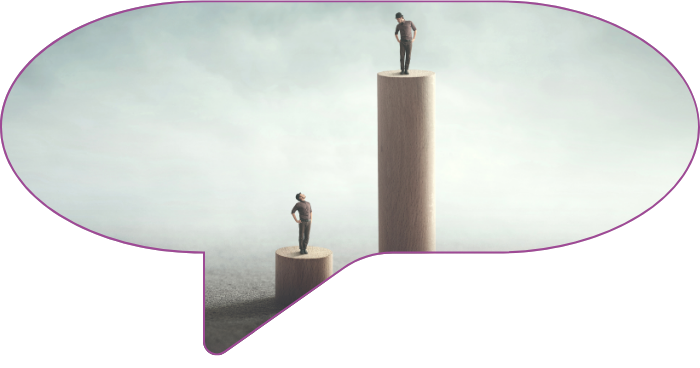
Are there “social equity” concerns in your community? If so, what are they? If not, should there be?
The Declaration of Independence declares “all men are created equal,” yet throughout our nation’s history, access to rights, education, resources, and full participation in civic life has varied drastically. How can we honor every individual’s unique needs? This conversation focuses on equity– the recognition that different individuals and communities may need different resources and opportunities to achieve similar outcomes– rather than equality– giving everyone the same resources. Social equity includes many dimensions of life, from education and healthcare to housing and employment. It asks us to think about the ways policies and cultural attitudes can open or close doors to opportunities. In this conversation, we’ll explore our experiences and understanding of social equity and how we can help to create more equitable communities moving forward.
Social identity is the part of our self-concept, or how we understand ourselves, based on our membership in different groups.These groups may reflect parts of our identity like race or gender. They can also reflect our values or shared interests and hobbies. The groups we belong to can influence our perspectives, behaviors, and interactions with others, sometimes in ways we may not realize. Can understanding our social identities help us to strengthen our communities and bridge our differences? In this conversation, we’ll explore how our social identities shape our sense of self, our values, and our connections with others. Which groups form your social identity? Which do you identify most with? Which groups have you joined by choice and to what groups are you ascribed by other people or society at large? How does this impact your self-concept? When have you benefited from belonging to a certain social group? When has it been a challenge for you? How does comparison of the groups that form...
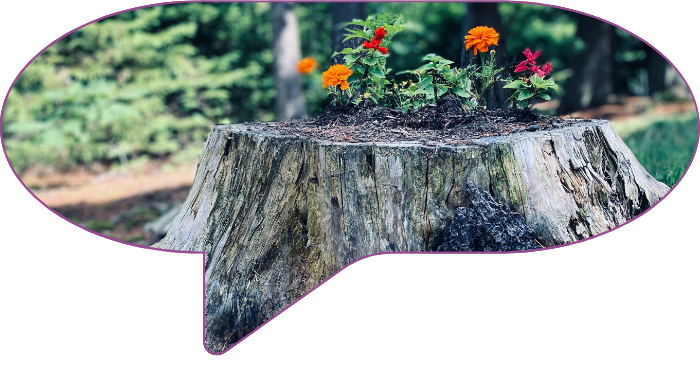
Our social, emotional, and spiritual life is tied to how we understand ourselves, relate to others, and experience belonging and purpose. It is about our thoughts, feelings, perceptions, memories, and states of being. This sense of self is further shaped by culture, early life experience, faith, zip code, and other factors. Our social, emotional, and spiritual life guides our decisions, influences our actions, and helps us know who we are. Society can present us with negative influences like trauma, exclusion, and violence that impact our social, emotional, and spiritual lives. As we consider the idea of renewal in these areas, we can also recognize the ways individuals and institutions in our communities can play a major role in fostering connection and support. In this conversation, you are invited to consider your own experiences, name what has helped you to develop resilience, and dream up what could be possible in our communities moving forward. Describe a time when your social, emotional,...
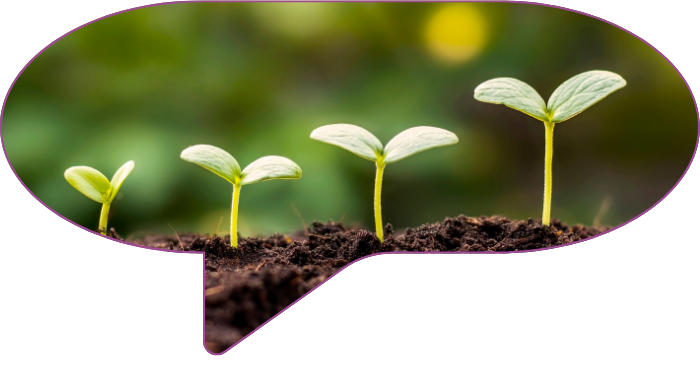
When we talk about renewing our social, emotional and spiritual life, we are really talking about our mental health. Our mental health is tied to what we think about ourselves, how we connect with our family and friends, and if we feel like we belong. It is about our thoughts, feelings, and memories along with culture, early life experiences, where we live, our faith, and other factors. Mental Health and renewal of our social, emotional, and spiritual selves is critical because how we feel about ourselves and our connection to our schools, jobs, or communities influences our decisions and actions. This conversation guide is designed to help you consider your personal experiences, how you can support others, and what kind of impact we can have on a community. What thoughts or feelings come up when you think of your social, emotional, and spiritual self? Where are you feeling confident? Where are you struggling? Describe a time when you felt like your school or adults in your life were listening...
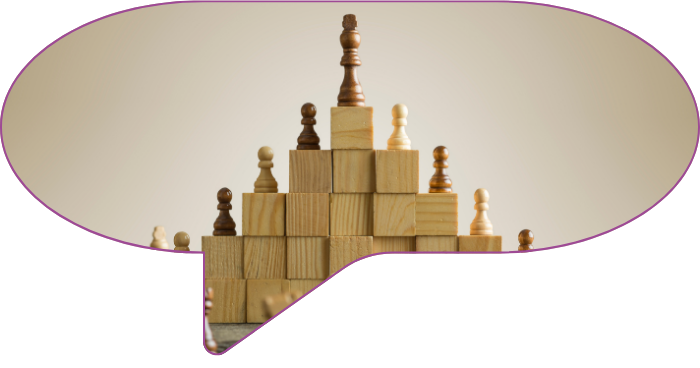
We joke about “keeping up with the Joneses” — but there’s real competition in our society for status and the accompanying privilege. How do we decide what we most value that bestows this status? While our country seems to favor wealth, there are other forms of status and privilege. What privilege do each of us enjoy? And how does that correspond with our status? This conversation examines our own status and how we use our status in everyday life. From education to wealth to gender to race, let’s talk about what we have…and what we desire.
What status do you enjoy? Education, wealth, gender, race, etc?
What are the privileges of your status?
What do you value and how is that connected to your status or privilege?
How does status, or lack of status, affect your sense of personal dignity? How have you noticed it impacting others?
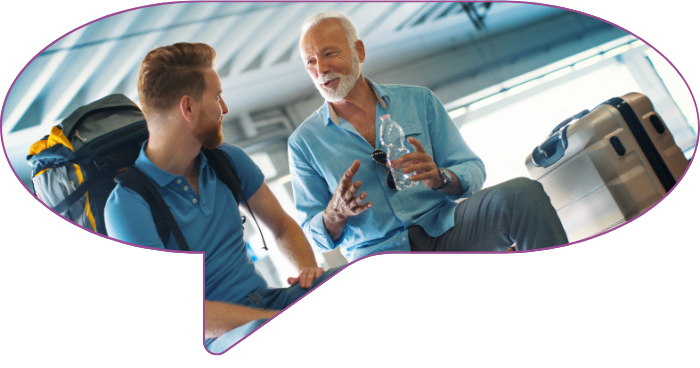
A growing number of studies from Toronto to Turkey have found that when people do make an effort to talk to strangers, it usually goes far better than they anticipated. Study participants report that they are much better at it than they predict, and the strangers they speak to are generally receptive, interesting, and interested. That said, there are many norms that discourage people from talking to strangers. We worry that we’re not allowed to do it, that we’ll be rejected, that we won’t know what to say, or that the people will dislike us. The prospect of talking to someone from another group–be it racial, gender-based, ideological–can further heighten those anxieties, especially if we don’t have regular contact with members of that group. This conversation is inspired in part by themes found in Joe Keohane’s book The Power of Strangers: The Benefits of Talking to Strangers in a Suspicious World. Typically, when you talk to a stranger where are you and what inspired you to connect? Do...
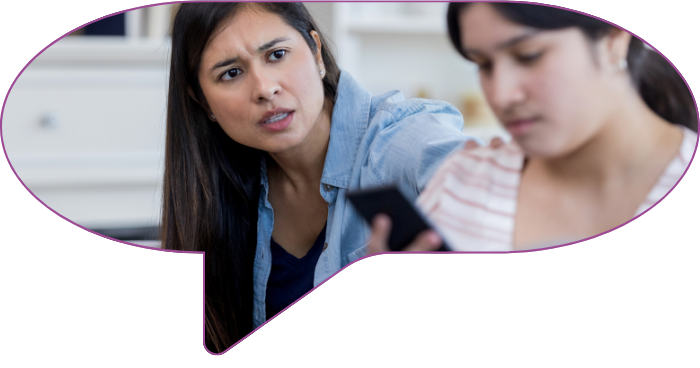
We are in an age of wonder and amazement with technology. It can go anywhere with us and we can be reachable at any time. We use technology to order our groceries, navigate our cities, keep up with breaking news, family members living away and in some cases remain connected to our politicians and faith-based communities. So many of us are reachable and can respond immediately to beeping, buzzing and ringing of texts, emails and phone calls. We like what we feel when our phones ring or ping us with a new message and that makes us want more. Some experts have have suggested that technology is controlling us, that we have lost control of it… like an addiction. Is technology our friend, the life saving tool of the 21st Century or a manipulator of our minds and master of our time? Who is in charge? Are there ways that technology has improved or hurt your in-person relationships and interactions? Do you ever turn off your devices? Why or why not? Do you want to change your own behavior around...
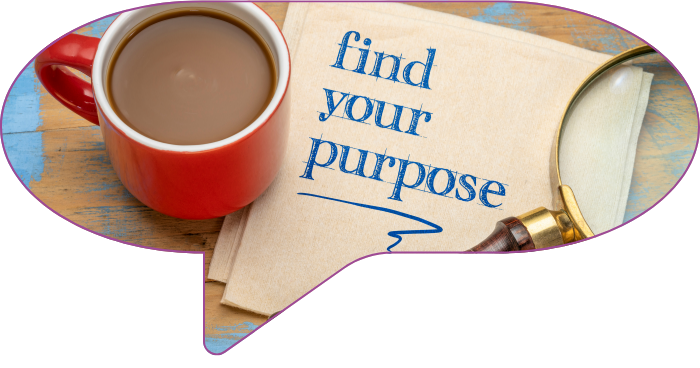
In our current economy, our value is often based on earning power or visible signs of success. In our interactions with each other, we transact our business, our relationships and our lives. But what would happen if we set up a different valuation system? One which supported a “happiness quotient” in the measure of success? What would that world and/or economy look like?
Where did you learn about your personal values and develop self esteem?
How has money or “keeping up with the Jones’s” played a role in defining you?
Where did you learn about the relationship between individuals and community?
What are the responsibilities of an individual to the community? And community to individual?
When was the last time you had a transformational experience? What happened?
![Truth[1]](png/truth1.png)
It is a human tendency to think our own perception is the truth. So how do we navigate a world where each of us may have a different understanding of what is true? How do we seek and recognize truth? What happens when we can’t agree on what is true? In this conversation we will share what truth means to us and explore the truths of others.
The Merriam Webster dictionary defines truth as “real things, events, and facts: actuality.” How do you personally define truth? What makes something true?
Can you think of a time when you shifted from certainty to uncertainty or changed your mind? What was that like?
We often believe in things we can’t definitively prove. What do you feel certain is true that you can’t ‘prove’ and why?
What sources do you look to for truth? How do you handle conflicting information from sources you trust?
Who gets to determine what’s true? How do we as a society determine what’s true?

People on the left and right may disagree on many things, but they generally agree that prejudicial treatment or animosity based upon group differences is bad for our politics and our country. Although most people want communities where all people have dignity and respect, respectful interactions are often not what we see modeled in the media and in politics. How do we build strong, more unified communities in a divisive time? Listen to the podcast that inspired this guide! What generalizations do you think people make about groups you identify with? Which are accurate? Which are inaccurate? Which are most painful? What generalizations do you make about other groups? How do you evaluate or check the validity of your generalizations, if at all? How important is it to you that your generalizations are accurate? Some groups come together based on sharing a common culture, vision, or enemy. What is the commonality for groups you identify with? What need do those groups fulfill in your life...

Trust is a critical component of building and maintaining healthy families, communities, institutions and countries. This trust is built over time and can be challenged by people with different views or backgrounds as well as events that call into question the intent of our institutions and media. This conversation is designed to encourage reflection on key disconnects we are currently experiencing in trust and consider what happens when we don’t trust the integrity of our elections, scientists, news, politicians or business leaders. How can we move forward and build trust for a healthier society? Watch this conversation! How would you define trust and how do you experience it? Who in your life do you trust and why? What institutions do you trust and why? What have you seen as the benefits or dangers of trusting? Where do you struggle to feel trust? What is the impact of that in your life? Where do you build trust? How do you do that? When you think about relationships of trust, what...

Trust is a critical component of building and maintaining healthy families, communities, institutions and countries. What happens when it starts to dwindle or is lost entirely? Trust is built over time. It can be challenged by people with different views or backgrounds as well as events that call into question the intent of our institutions and media. Increasingly, concerns about access to voting and election integrity have led to a questioning of election results. This conversation is designed to encourage reflection on key disconnects we are currently experiencing. What happens when we don’t trust our elections? How can we move forward to build local trust? What impact does trust or the lack of trust have on you? How does it impact your behavior? When in your life have you intentionally built trust? How might it be applicable to building trust in our local voting practices and elections? Is there a difference in the trust you have for local elections and processes compared to other districts,...
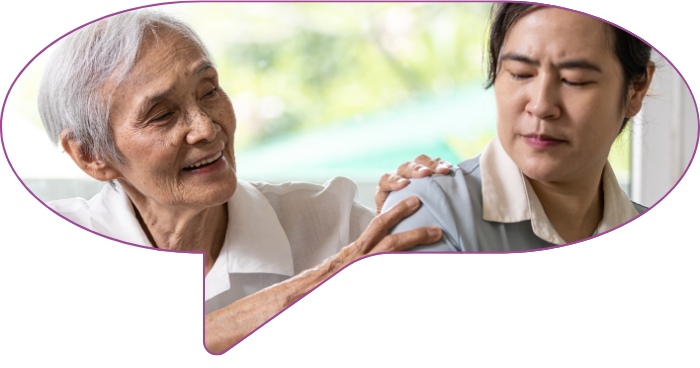
Nelson Mandela said, “In the end, reconciliation is a spiritual process, which requires more than just a legal framework. It has to happen in the hearts and minds of people.” This guide builds on Mandela’s vision of reconciliation by inviting participants to share what is happening in their hearts and minds within the context of racial justice. Truth challenges and liberates us. Reconciliation opens the door to working together for a brighter future. Truth and reconciliation together offer us a pathway toward a world without racism. What would that world look like? What do we need to do and talk about in order to get there? To what extent have events around racial justice impacted your everyday life and movement in the world? What has surprised you? Where do you see yourself within the context of the racial justice movement? What does that mean to you? In the documentary, Khalil Osiris said, “Forgiveness takes one person, reconciliation two”. Where have you seen this play out in your life?...

The conversations are meant to be done in the order they are outlined within the pathways, as they build upon one another, preparing participants for more challenging conversations.
Talking about politics has a bad rap for being divisive. Our guides are designed to help you navigate this space. If you are interested in meeting with the same group or bringing dialogue to your community, our conversation pathways may be a great place to start.
The conversations are meant to be done in the order they are outlined within the pathways, as they build upon one another, preparing participants for more challenging conversations.
Talking about politics has a bad rap for being divisive. Our guides are designed to help you navigate this space. If you are interested in meeting with the same group or bringing dialogue to your community, our conversation pathways may be a great place to start.
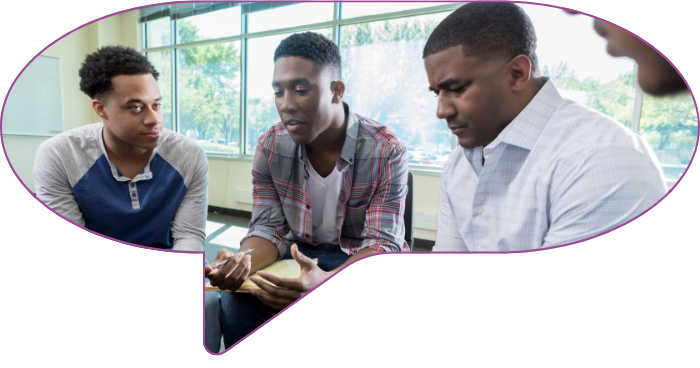
This guide was made by Media Done Responsibly. This is an emergency, trauma-based conversation intended to address local, national, and global incidents of violence that trigger social and collective PTSD, and require people to come together to process and check on their safety and wellbeing practices. There is a “mask” that Black men wear in the world to be safe in public spaces. It does not cry. It does not get mad. It does not feel pain. It does not get hurt. It does not have the right to exert authority or control. It is the Mask of Respectability. Walking into public spaces without it can get them killed. The anxiety in their hearts can get them killed. Their fight or flight response when threatened can get them killed. Exertion of their very right to life and autonomy can get them killed. During this Living Room Conversation, Black men can remove their masks to speak freely and authentically about their own experiences. What thoughts and emotions have the recent race-based...

Water is an essential part of all our lives and the lives of all living things, yet the quality and access to water varies around the world and in the United States. Extreme weather, pollution, and lack of infrastructure can significantly impact our relationship with this precious resource. What is our role in protecting this resource? Our community’s role? The government’s role? Industry’s role? In this conversation, we’ll explore our personal stories with water as well as our hopes and concerns moving forward. This guide was created in collaboration CIRES’ “We Are Water” project, an effort to connect communities and share both stories and a sense of place in the Southwestern United States. Think about your life and experiences. What is your favorite memory or personal story with water or bodies of water? Think of all the communities you are a part of. How does water connect you to your community? Have you or someone close to you ever experienced a scarcity of water? What was that like?...

Many people sense that something is broken in society. Surveys show about half of young adult Americans are lonely. Opioid addiction, suicide, gun violence, ethnic tension and depression have been rising. We face rapid change from a globalized economy, cell phones and social media, job-hopping, online dating, immigration, and uncertainty about our future health and wealth. Our social fabric seems to be shredding. Others observe that the social fabric of our communities and nation was never really woven to include everyone in the first place. Yet, there have been many times as a country when people looked past their surface differences and came together as neighbors to support each other. We’ve come together today to get to know each other, share our experience of isolation and connection, and consider how we might work together to build connections that allow us to feel recognized, respected and valued. Living Room Conversations has partnered with the Aspen Institute’s Weave Project and...