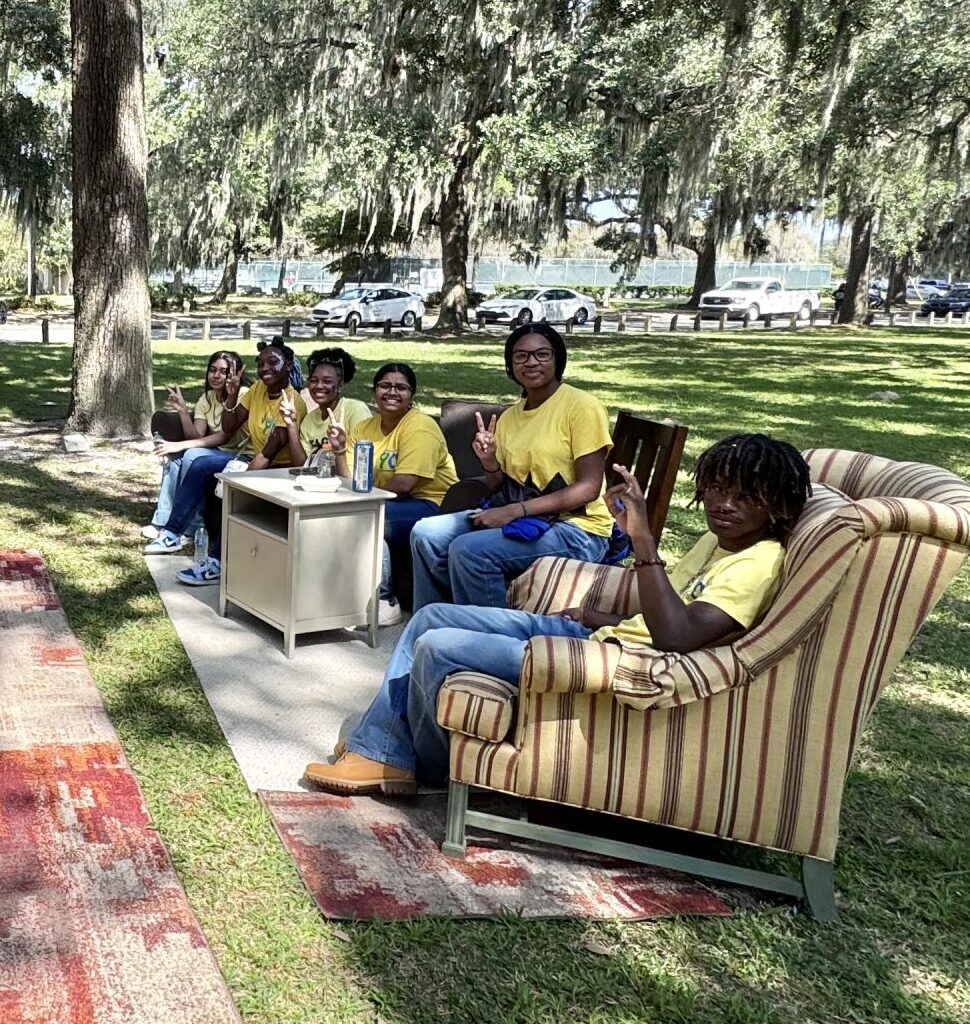
What does a Living Room Conversation look like?

It is a whole experience.

A Living Room Conversation is an event where people come together in person or online to discuss an issue using a carefully crafted “conversation guide” that fosters connection and understanding.

Best of all? It’s free and really easy to use!

Gather 4-6 people to talk about a chosen topic

Follow the Conversation Guide and Agreements

Answer questions based on experience , not opinion

Walk away with more understanding and connection

Shared Values

Topics Questions

Answer questions based on experience with the topic, not opinion

The Guides

Each “conversation guide” starts with the Conversation Agreements and moves through three different question rounds. It takes about 90 minutes to complete, but you can adjust the timing if needed.

The Secret Sauce

A Living Room Conversation is an event where people come together in person or online to discuss an issue using a carefully crafted “conversation guide” that fosters connection and understanding. Best of all? It’s really easy to use!

Let's Really Connect

the question rounds

Each “conversation guide” starts with the Conversation Agreements and moves through three different question rounds. It takes about 90 minutes to complete, but you can adjust the timing if needed. 

Shared Values

Research shows that when we can share our values, it’s easier to humanize each other and when we humanize each other it’s easier to listen, get curious, and empathize

Topic Questions

There are 4-6 questions that draw out your personal experience rather than your opinion around the topic like, “What experiences in your life, your work or your family inform your understanding of mental health?”

Reflection Questions

It’s important to take some time to reflect with what the conversation has meant to you, if there is anything you’ll continue to think about or if there are next steps you want to take based on the conversation


the secret sauce

Our 6 conversation agreements create a container for your conversation and outline skills you can practice during the conversation. If you’re hosting, consider asking your guests to pick one they might want to focus on during the conversation.

the six conversation agreements

Be curious and listen to understand. Conversation is as much about listening as it is about talking. You might enjoy exploring how others’ experiences have shaped their values and perspectives. Truly listen without interrupting or making comments. 

Show respect and suspend judgment. People tend to judge one another. Setting judgment aside opens you up to learning from others and makes them feel respected and appreciated. 

Note any common ground as well as any differences. Look for areas of agreement or shared values that may arise. Take an interest in the differing beliefs and opinions of others.

Be authentic and welcome that from others. Share what’s important to you. Speak from your experience. Be considerate of others who are doing the same. 

Be purposeful and to the point. Do your best to keep your comments concise and relevant to the question you are answering. Be conscious of sharing speaking time with other participants.  

Own and guide the conversation. Take responsibility for the quality of your participation and the conversation. Be proactive in getting yourself and others back on track if needed. Use an agreed-upon signal (like the “time out” sign) if you feel the agreements are not being honored.

Take our Connecting Through Conversations

If you want to dive deeper into the skills involved in dialogue and bridging divides, we’ve got you covered. 

Our Connecting Through Conversations course and earn a digital badge and microcredential. It’s endorsed by the Bridging Movement Alignment Council and Bridge Alliance and supported by the National Coalition for Dialogue and Deliberation representing well over 700 organizations.

Curious to see it in action?

Watch these recorded conversations or join one of our staff-led conversations online.